
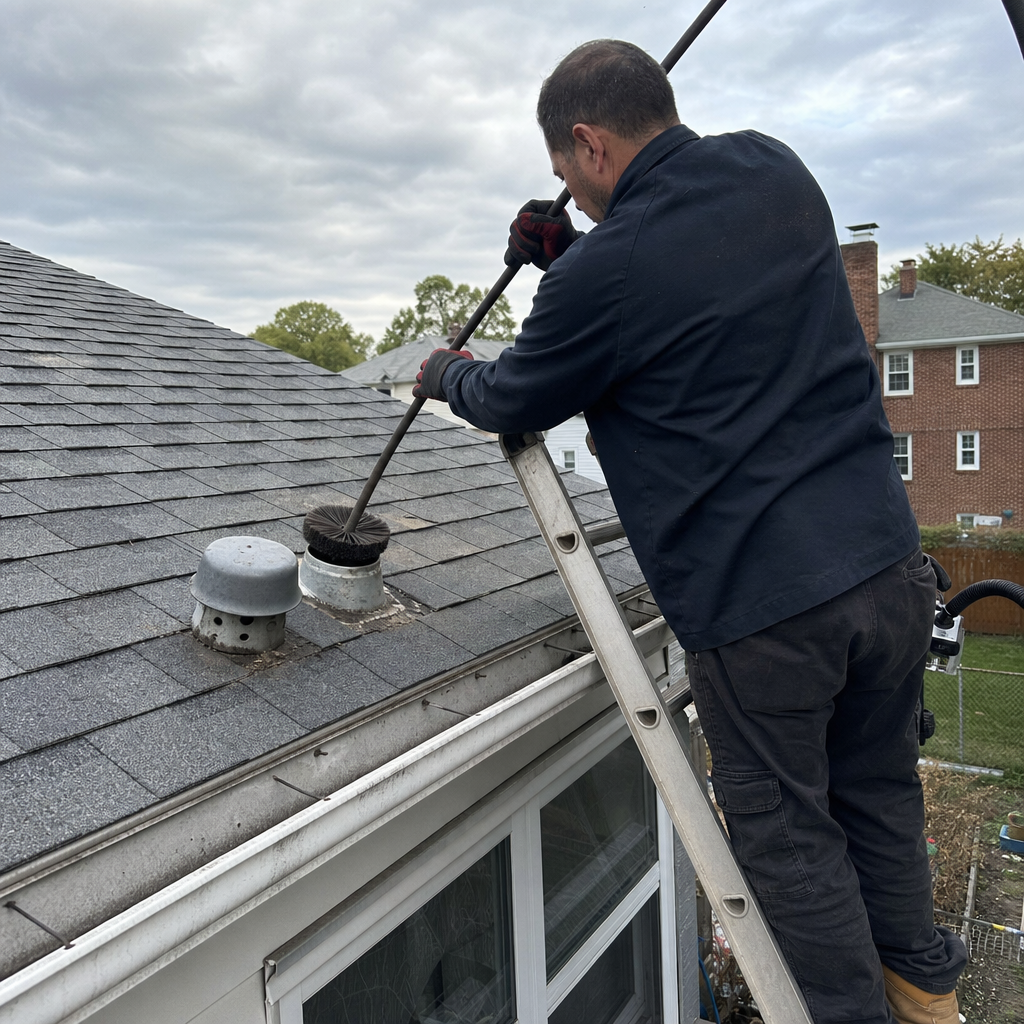
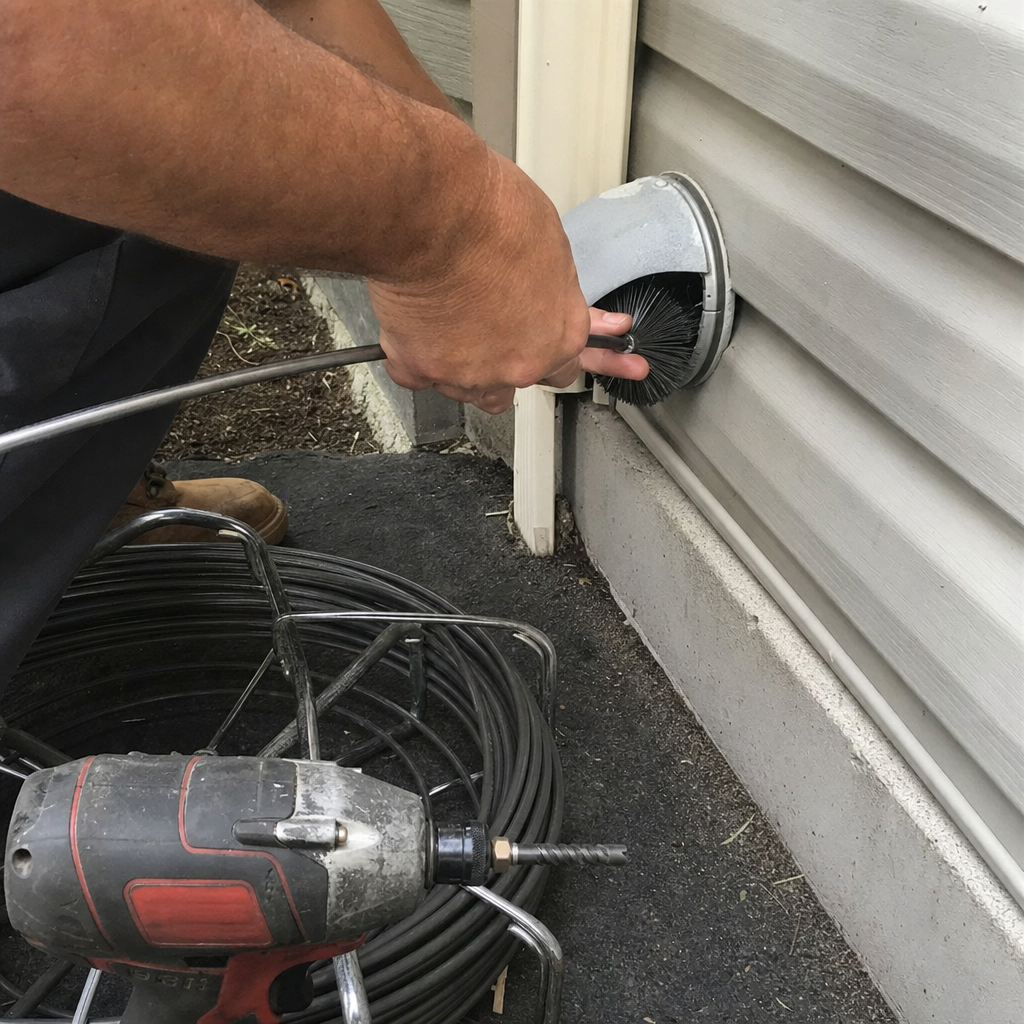
Fast, Reliable Dryer Vent Cleaning Across Great Kills
Dryer vent cleaning in Great Kills, NY typically costs $140–$280 for a standard residential line, with most jobs completed same-day. Richard Anderson — owner and lead technician at Landmark Air Duct Cleaning Service New York — handles every Dryer Vent Cleaning call personally, bringing two decades of specialized duct work to the south shore of Staten Island. We’re familiar with the post-war ranches along Hylan Boulevard, the split-levels near Great Kills Harbor, and the cape cods tucked behind Amboy Road — homes built with vent runs that weren’t designed for today’s heavier dryer loads and the corrosive salt air rolling off Raritan Bay. Call (833) 754-6107 for a free estimate; we typically reach Great Kills properties within 45 minutes to an hour.
Why Landmark Air Duct Cleaning Service New York Is Great Kills’s Preferred Dryer Vent Cleaning Company
We’ve built our reputation in Great Kills one job at a time. Our 4.9-star average across 548 verified reviews reflects work homeowners can check before they book — not a lucky handful of testimonials, but a documented pattern of results.
Richard Anderson doesn’t delegate to subcontractors or rotating franchise crews. He’s the person who answers your questions, loads the equipment, and runs the brushes. That accountability matters especially in Great Kills, where coastal conditions create vent problems that generalist crews often misdiagnose.
Our response time to the 10308 ZIP code and surrounding Great Kills neighborhoods averages under an hour. We know which blocks flood first during a nor’easter, which homes were elevated through Build It Back, and where original Sandy-era ductwork still sits in crawl spaces that never dried properly.
We carry contractor-grade equipment from Rotobrush, Nikro, and Abatement Technologies — the same systems used by industrial contractors, not the lightweight consumer units most residential crews rent by the week.
Our Dryer Vent Cleaning Services in Great Kills
Dryer Vent Inspection
Every Great Kills inspection starts with a full visual and camera assessment of the vent run. We check for the tide-line ghost marks that indicate Sandy-era flooding, test airflow with a digital anemometer, and inspect the exterior hood for salt corrosion. In homes near Great Kills Harbor, we regularly find sediment deposits at low points in the line — residue that traps moisture and creates a foundation for accelerated lint buildup. Richard Anderson documents everything with photos so you see what we see, not just take our word for it.
Vent Cleaning & Lint Removal
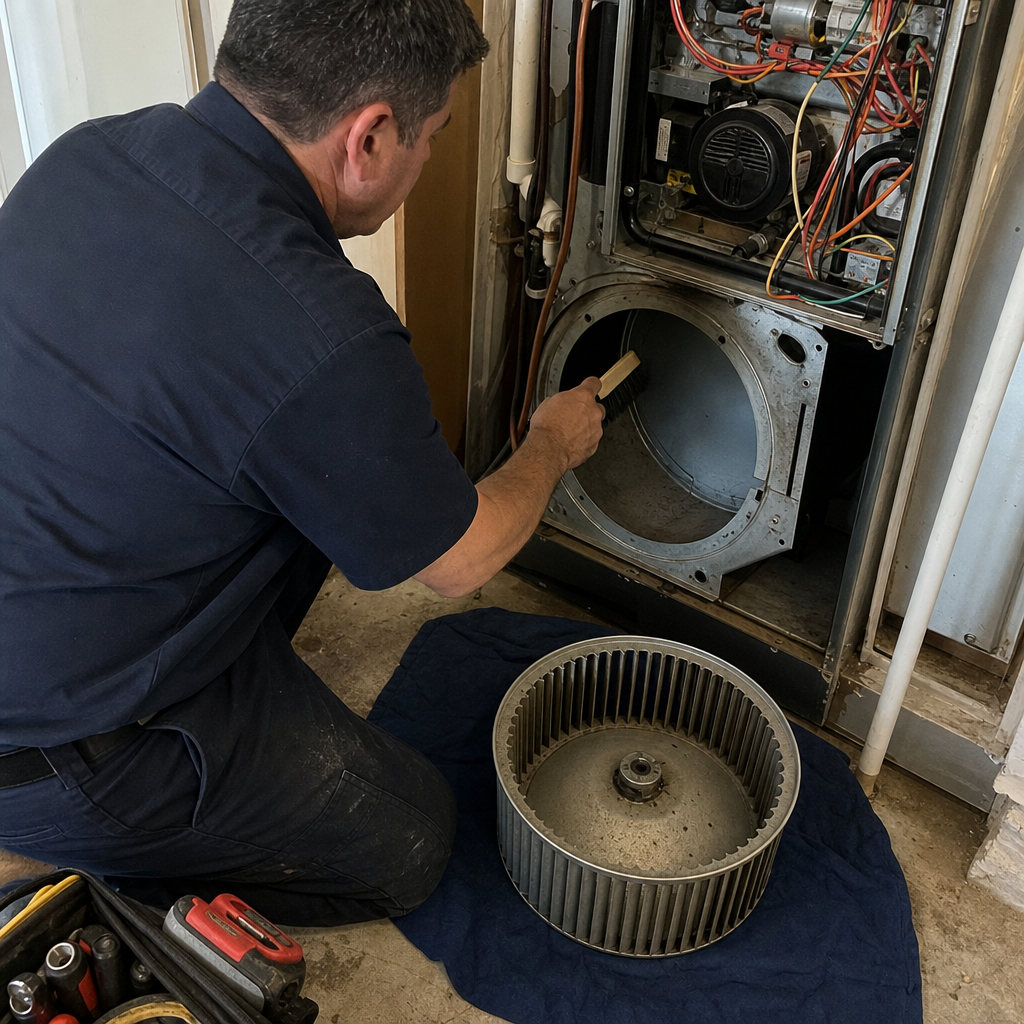
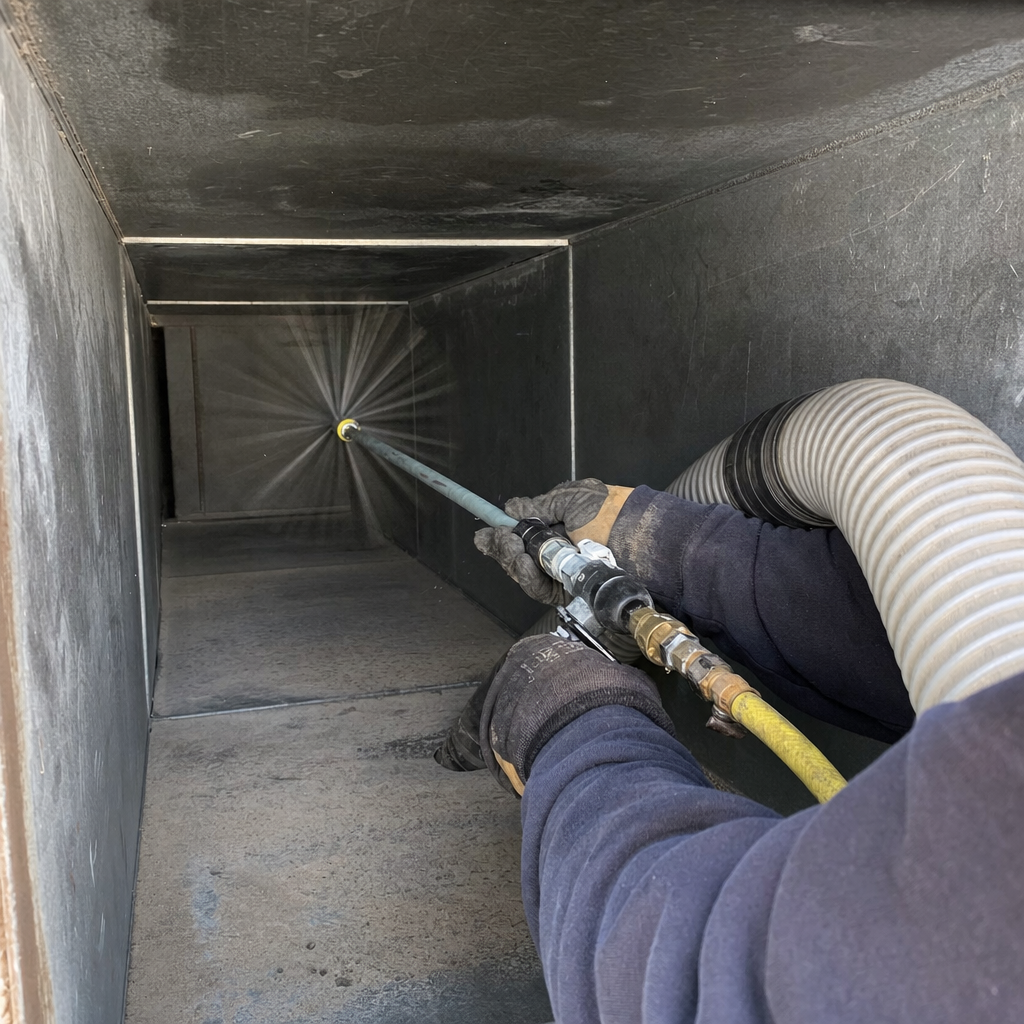
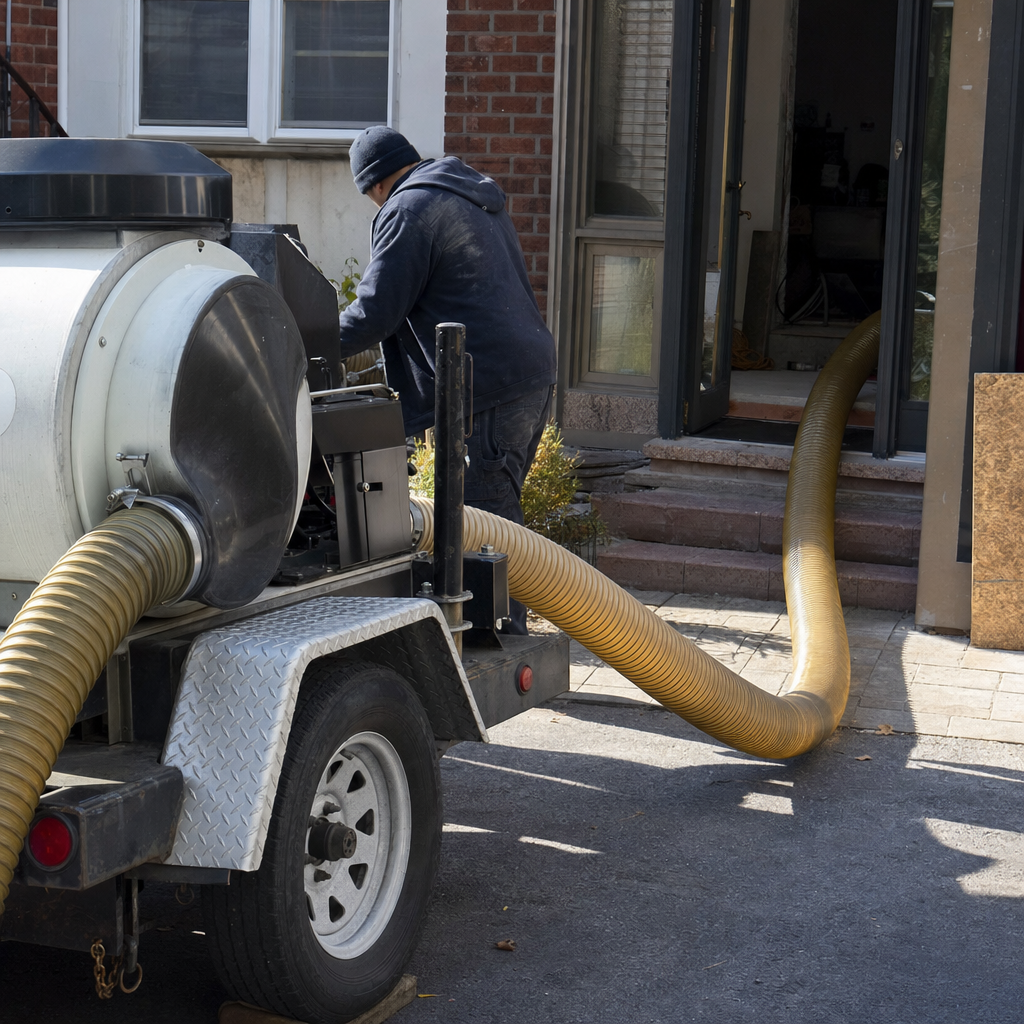
Lint removal in Great Kills isn’t just about the fluffy accumulation every dryer produces. The salt-laden coastal air here corrodes galvanized vent components, creating rough interior surfaces that snag lint far more aggressively than smooth metal. We use Rotobrush systems with HEPA vacuum extraction to scrub the entire line clean — not just the accessible sections — and we pay special attention to rust-scale deposits that reduce diameter and restrict airflow. A fully blocked vent in a Great Kills home isn’t unusual after three to four years without service; in salt-air conditions, that timeline compresses significantly.
Vent Rerouting
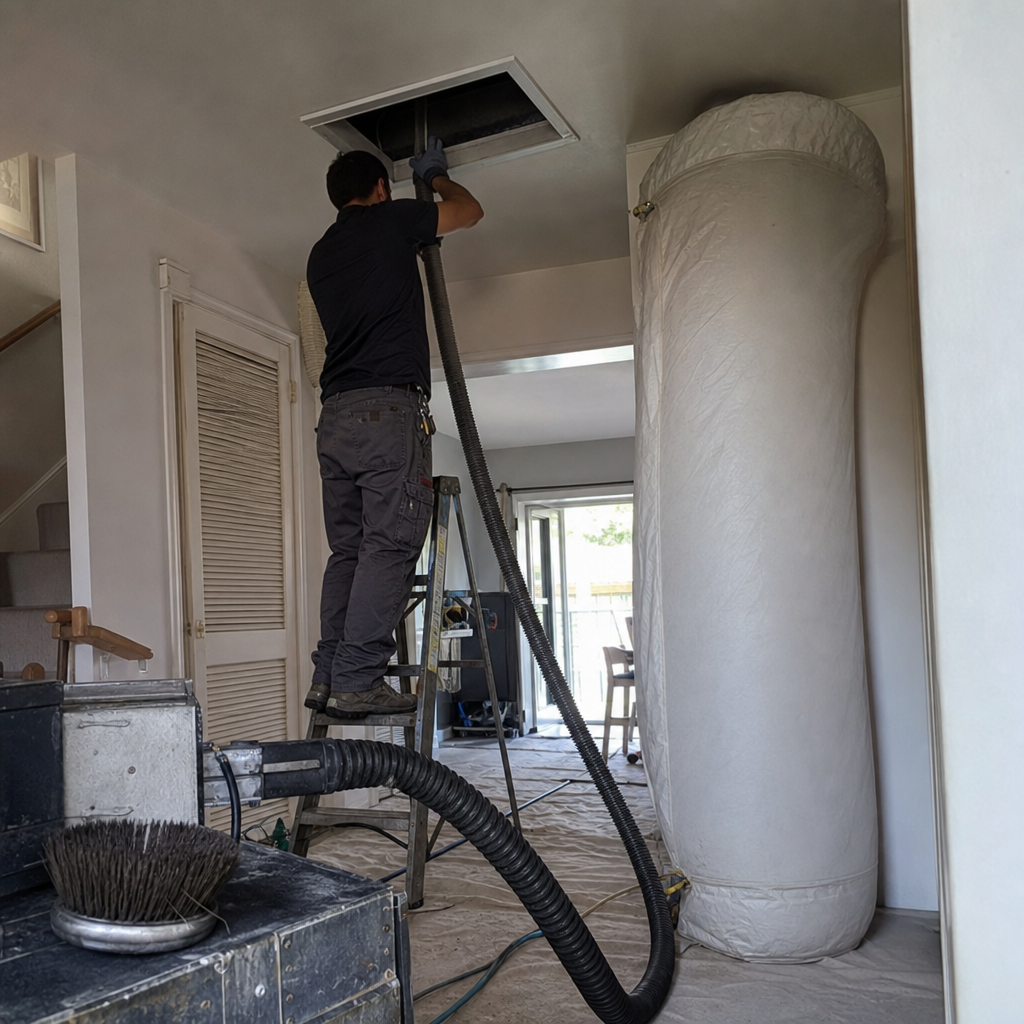
Some Great Kills homes have vent runs that were poorly designed from the start — too many bends, excessive length, or routing through unconditioned crawl spaces that never recovered from Sandy’s surge. When we encounter a line that can’t be cleaned effectively or safely due to configuration, Richard Anderson maps a reroute using solid metal ducting with minimal elbows. We avoid the flexible foil transitions that deteriorate quickly in humid coastal conditions, and we ensure the new path terminates with proper clearance and a weather-resistant cap.
Vent Cap Replacement & Bird Guard Installation
Great Kills’s salt air destroys standard galvanized vent caps within two to three years. Spring-loaded dampers seize open, inviting birds and rodents; or they seize shut, trapping moisture and lint inside. We stock coated aluminum and stainless-steel caps rated for marine environments, and we install bird guards that don’t create the blockage they’re meant to prevent. On Buel Avenue near the harbor, we found a vent clogged not just with lint but with a caked layer of salt-and-sediment residue from Sandy’s flood. We used a Rotobrush with a HEPA vacuum to clear the line, then installed a stainless-steel bird guard and replaced the corroded galvanized vent cap with a coated aluminum cap to resist further salt-air attack.
What happens when you call
- 1
A real person answersNo phone trees — you reach a local pro.
- 2
You get an upfront price rangeHonest numbers before anyone is dispatched.
- 3
A background-checked tech heads outLicensed & insured, dispatched right away.
- 4
You approve before work beginsNothing starts until you say go.
Trusted Brands We Service in Great Kills
We work with and stock components for Honeywell, Aprilaire, and Guardsman air quality systems — brands commonly integrated into HVAC and dryer vent configurations throughout Staten Island. For Great Kills customers, this means faster turnaround when a specific damper, sensor, or control needs replacement; we don’t order blind and make you wait a week. Our Nikro and Rotobrush equipment interfaces cleanly with these systems, so cleaning doesn’t disrupt your existing air quality setup. Richard Anderson carries the inventory in his service vehicle, which is why most Great Kills jobs finish in a single visit.
Common Dryer Vent Cleaning Problems We See in Great Kills Homes
- Salt-corroded vent hoods seize within 2–3 years. The marine air along Great Kills Harbor and Raritan Bay attacks galvanized steel aggressively. Spring-loaded dampers stick open, inviting pests, or stick shut, trapping humid exhaust that accelerates internal rust and lint accumulation.
- Sandy sediment creates permanent low-point blockages. Homes that took floodwater in 2012 — even those later rebuilt or elevated — often retained original vent runs with sediment deposits that never fully cleared. These narrow the duct diameter and create moisture traps where lint compacts into dense, stubborn plugs.
- Musty odors from un-remediated crawl-space contamination. When microbial growth persists in below-floor ductwork from Sandy-era flooding, backdrafting during dryer operation pulls those odors into the laundry area. Homeowners smell it first; the efficiency loss follows.
- Original 1950s–1970s vent runs are too long or too convoluted. Great Kills’s post-war housing stock frequently routes dryer vents through multiple elbows and extended horizontal runs to reach exterior walls. Add salt corrosion and sediment narrowing, and airflow drops below the 150 CFM minimum safe for gas dryers.
Pricing for Dryer Vent Cleaning in Great Kills, NY
| Service | Typical Range in Great Kills |
|---|---|
| Standard dryer vent cleaning (single-family, accessible line) | $140 – $195 |
| Vent cleaning with heavy sediment/lint blockage | $195 – $260 |
| Vent cap replacement (coated aluminum or stainless steel) | $85 – $140 (parts + labor) |
| Bird guard installation | $75 – $125 |
| Vent rerouting (partial or full) | $280 – $450 |
| Combined cleaning + cap replacement + bird guard | $280 – $380 |
What moves you within these ranges? Length of vent run, number of elbows, accessibility, and whether we find Sandy-era sediment requiring extra passes with the Rotobrush system. Homes near the harbor or below-grade on Buel Avenue, Nelson Avenue, or adjacent to Great Kills Park typically run toward the higher end due to corrosion severity. We quote upfront before starting work — call (833) 754-6107 for your exact number. Estimates are free.
We Also Serve Cities Near Great Kills
Richard Anderson and our Dryer Vent Cleaning crew work the full south shore corridor. We regularly service Eltingville to the west, Midland Beach along the eastern shore, and both New Dorp and New Dorp Beach to the north. The same salt-air conditions, Sandy legacy issues, and post-war housing stock patterns apply across these neighborhoods — we’ve cleaned vents on every major road from Richmond Road to Hylan Boulevard.
Serving Great Kills, NY — Our Local Coverage Area
We’re based in the Great Kills area and know this community well. Use the map below to see our service coverage — if you’re nearby, we can almost certainly help.
FAQs — Dryer Vent Cleaning in Great Kills
Yes — the 2012 storm surge pushed contaminated Raritan Bay water into thousands of Great Kills homes, and many vent runs that were submerged were never properly remediated. We still find tide-line ghost marks of dried sediment and rust staining at consistent heights inside ducts, confirming flood exposure. If your home was built before 2012 and hasn’t had the vent line inspected with a camera, that legacy contamination may still be present. Call (833) 754-6107 and we’ll check it — estimates are free.
Every 12–18 months for most Great Kills homes, and every 10–12 months if you’re within three blocks of the harbor or Raritan Bay shoreline. The salt air here corrodes interior surfaces faster than inland Staten Island neighborhoods, creating roughness that catches lint more aggressively. Homes with Sandy sediment residue in the line may need initial cleaning at 6-month intervals until the system stabilizes. Call (833) 754-6107 to schedule — we’ll assess your specific conditions and recommend an interval.
Coated aluminum or stainless steel with a marine-grade finish — never standard galvanized, which we see seize or rust through in 2–3 years along the south shore. We install caps with external mesh bird guards and spring dampers rated for coastal exposure. The small premium over big-box galvanized units pays for itself in longevity and airflow protection. Call (833) 754-6107 for a cap replacement quote — we’ll bring options to your door.
Not safely without professional inspection and cleaning. Floodwater in Great Kills carried raw sewage, heating oil, and sediment that leaves persistent contamination — microbial growth, hydrocarbon residue, and rust-scale that standard drying won’t address. We’ve cleaned vents that “dried out” for years but still released musty, contaminated exhaust into laundry rooms. Richard Anderson uses camera inspection and HEPA-extraction cleaning to determine whether remediation is sufficient or replacement is necessary. Call (833) 754-6107 — we’ll tell you straight what your vent needs.
Look for rust staining on the exterior hood, a hood damper that doesn’t move freely, or lint that feels gritty rather than fluffy when you clean the lint trap. Inside the home, longer dry times, a hot exterior dryer panel, or musty odors from the vent indicate restricted airflow from corrosion-narrowed passages. The definitive check is a camera inspection — Richard Anderson can show you the interior condition in real time. Call (833) 754-6107 to book a look; estimates are free.
Written by Richard Anderson, Owner & Lead Technician at Landmark Air Duct Cleaning Service New York, serving Great Kills and the south shore of Staten Island since 2004.