
Fast, Reliable Air Quality & Sanitizing Across Great Kills
Air quality sanitizing in Great Kills, NY typically runs $275–$650 for residential mold or bacteria treatment, with most jobs completed same-day by a single specialist crew. If your home sits near Great Kills Harbor or along the south shore blocks that took Hurricane Sandy’s surge, standard duct cleaning won’t touch the contamination hiding in your system. Richard Anderson — owner and lead technician at Landmark Air Duct Cleaning Service New York — brings our Air Quality & Sanitizing team directly to Great Kills homes, not a franchise subcontractor who doesn’t know a tide-line from a dust streak. We’re on the road from our base in New York City to the 10308 ZIP code regularly, and we know the difference between a routine seasonal cleaning and the specialized remediation these post-Sandy duct systems actually need. Call (833) 754-6107 for a free estimate — we’ll inspect your ducts and tell you straight whether you’re dealing with legacy flood contamination or standard household buildup.
Why Landmark Air Duct Cleaning Service New York Is Great Kills’s Preferred Air Quality & Sanitizing Company
We’ve been called to enough Great Kills homes to recognize the pattern before we even open the basement door. The 1950s ranches along Hylan Boulevard, the cape cods tucked behind Amboy Road, the split-levels climbing up toward Nelson Avenue — we’ve worked in all of them, and we’ve learned which blocks sat below the surge line and which duct configurations trapped moisture for years after the floodwaters receded.
Our reputation here is built on specificity, not speed-talk. 548 verified customers have left reviews averaging 4.9 stars, and Great Kills homeowners consistently mention the same thing: Richard Anderson showed up, pointed to exactly what was wrong, and fixed it without upselling services the house didn’t need. That’s the difference between an owner who still runs the Rotobrush himself and a dispatch center sending whoever’s available.
Response time to Great Kills is typically same-day or next-morning. We don’t stretch our coverage area so thin that you’re waiting three days while mold spores recirculate. When you’re smelling heating oil residue or raw sewage breakdown products in your vents, that’s not a “schedule when convenient” situation.
We also know the local housing stock cold. Post-WWII ranch homes with below-slab duct chases, 1960s split-levels with crawl-space trunk lines, original sheet-metal ductwork that corrodes faster here than in inland Staten Island neighborhoods — this isn’t theoretical knowledge. We’ve pulled sediment cores from ducts that haven’t been opened since the Nixon administration.
Our Air Quality & Sanitizing Services in Great Kills
Mold Treatment
Mold in Great Kills ducts isn’t the same mold we find in Queens or upper Staten Island. The strains that colonized after Sandy’s surge — particularly in homes that weren’t properly dried before rebuilds — often include species that thrive on hydrocarbon residues and cellulose debris carried in by contaminated bay water. A typical mold treatment in Great Kills runs $350–$650 depending on linear footage of affected ductwork and whether the colony has penetrated insulation liners.
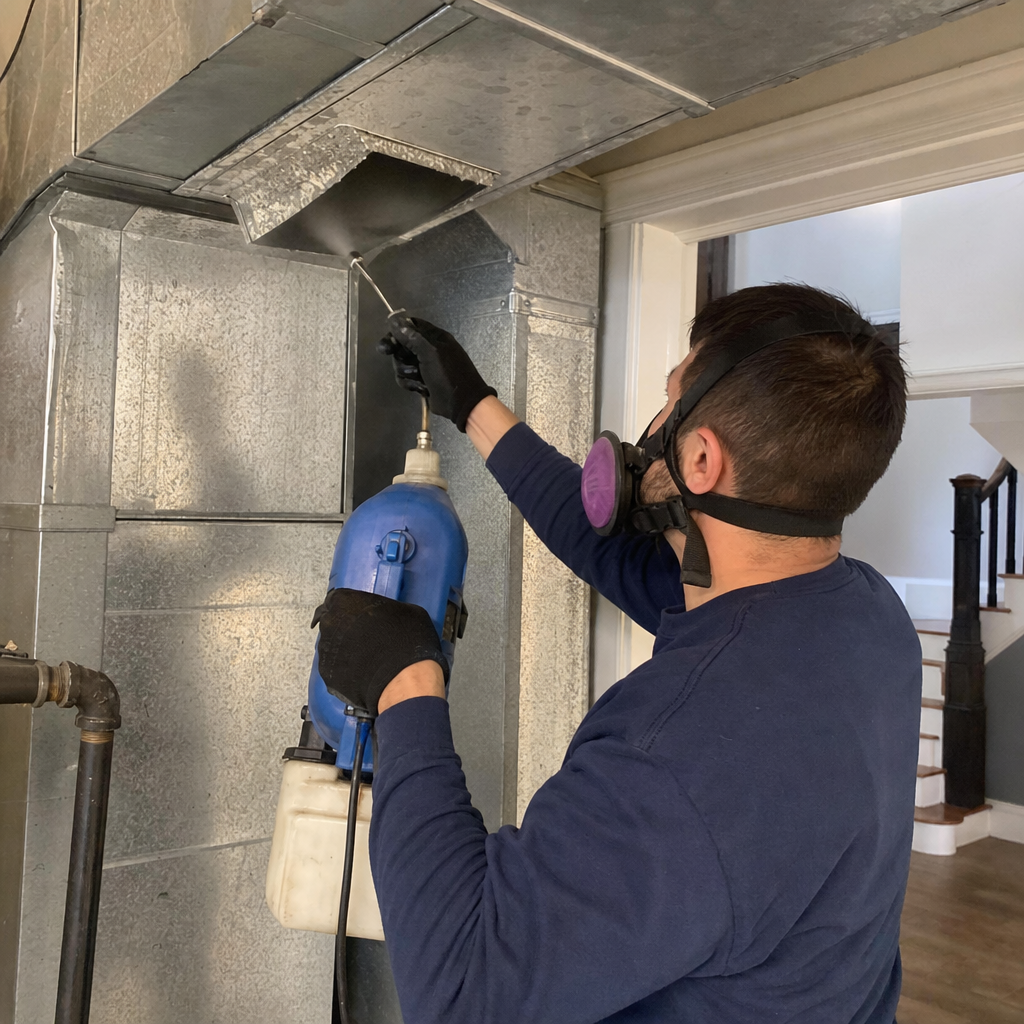
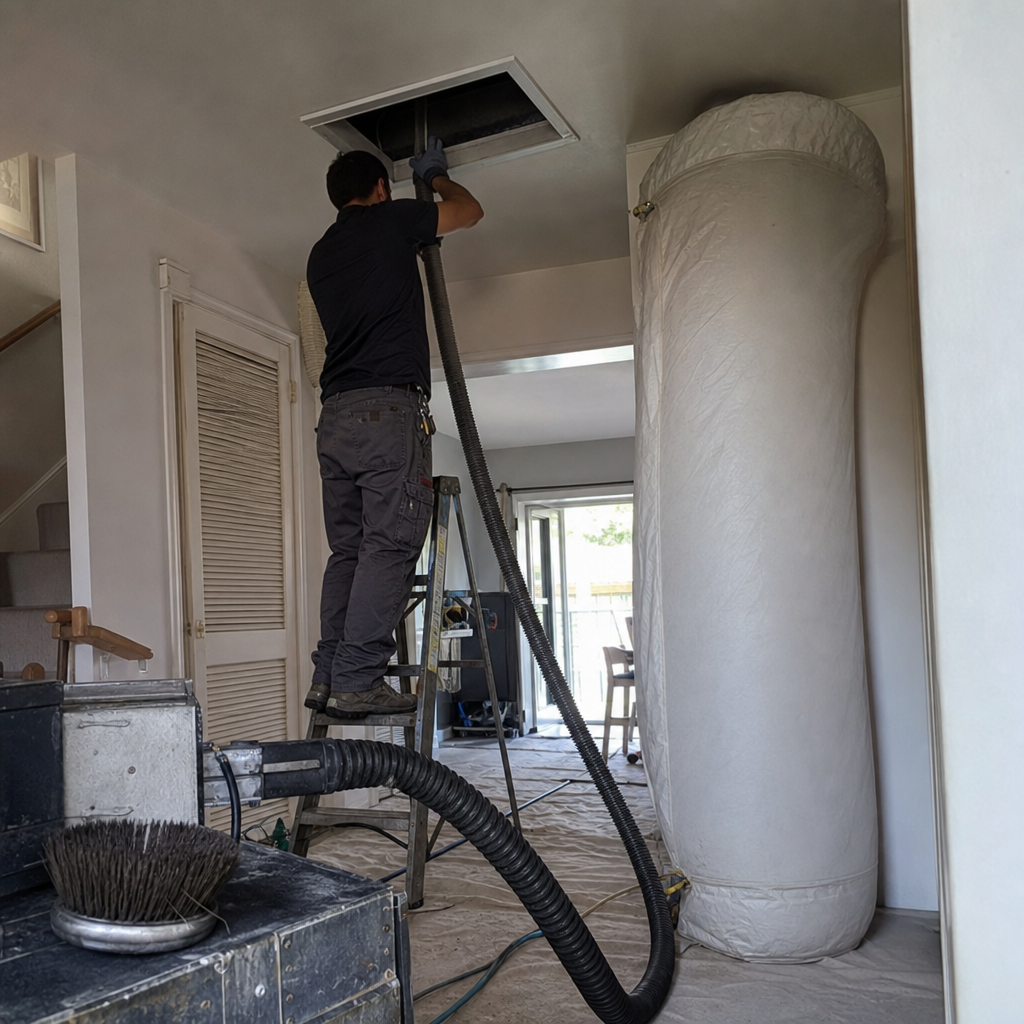
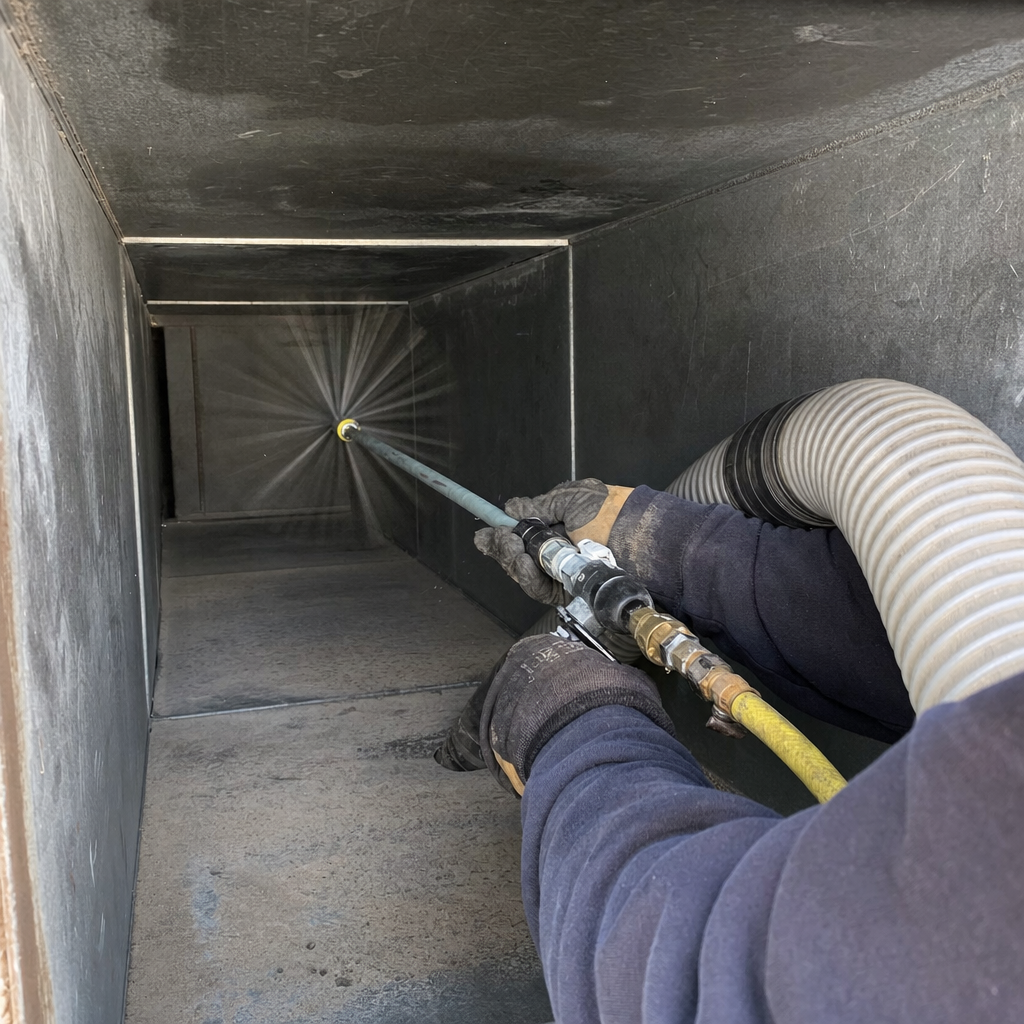
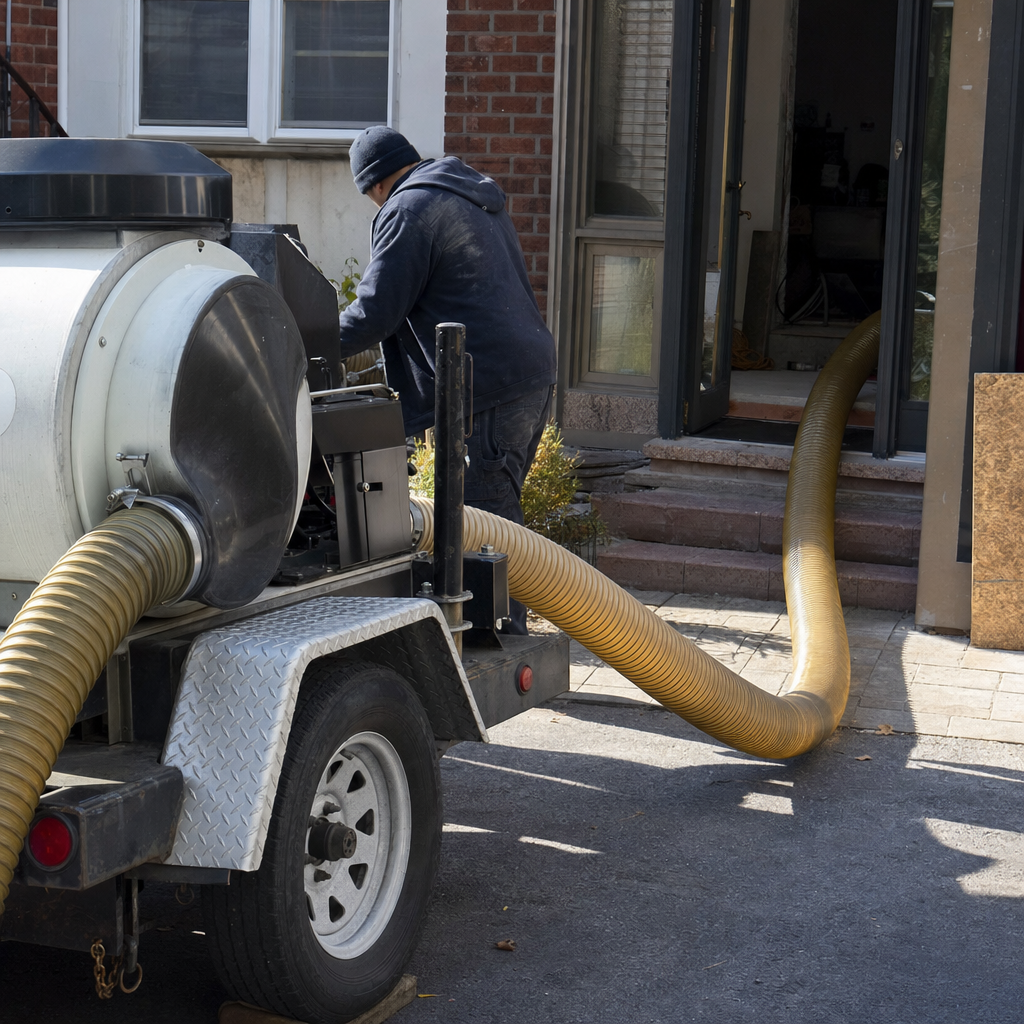
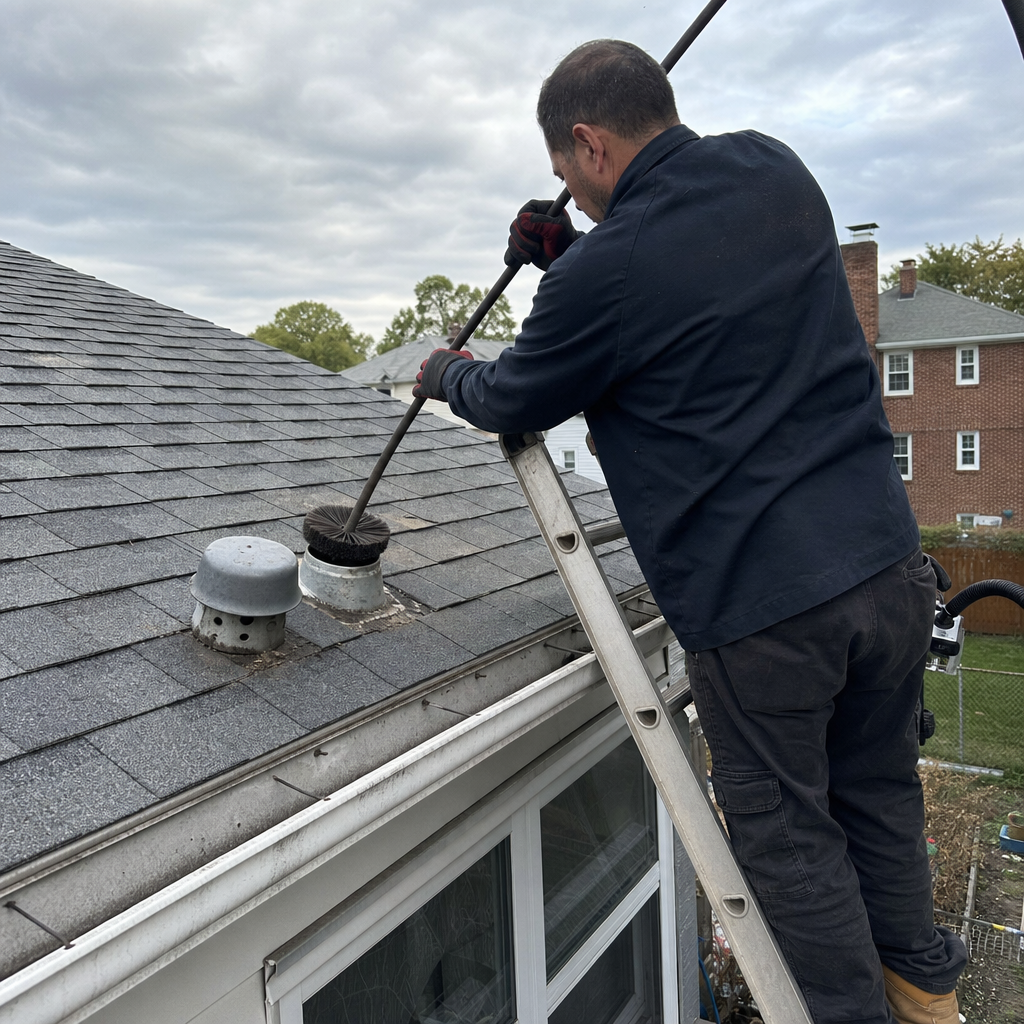
We start with a full video inspection, looking specifically for tide-line staining and rust scaling that indicates prior submersion. Our Rotobrush system with HEPA-filtered negative air containment removes visible growth without spreading spores through your living space. For persistent colonies in below-slab chases — common in the ranches near Great Kills Harbor — we apply antimicrobial fogging directly to the interior surfaces, then seal with a mold-resistant coating.
Bacteria Sanitizing
This is where standard cleaning fails and specialized sanitizing becomes non-negotiable. The Raritan Bay surge that hit Great Kills in 2012 carried raw sewage, heating oil, and industrial sediment into thousands of homes. That bacterial load doesn’t respond to vacuuming or brushing. It requires EPA-registered antimicrobial agents applied at proper dwell times, with post-treatment verification.
Bacteria sanitizing in Great Kills typically costs $275–$525 for residential systems. We use Guardsman antimicrobial formulations specifically rated for sewage-contaminated environments, not the generic deodorizers some crews spray and call it done. The process includes full system fogging, contact time monitoring, and follow-up air sampling if health-sensitive occupants are present.
Odor Removal
The musty, oily, or sulfurous smells that persist in Great Kills vents years after Sandy aren’t “just humidity.” They’re volatile compounds off-gassing from residual contamination in duct seams, insulation, and corrosion pockets. Masking agents make it worse — they layer perfume over rot, and your nose knows the difference within 48 hours.
Our odor removal protocol targets the source: removing sediment deposits, treating corroded metal with rust inhibitors, replacing contaminated flex duct sections, and applying oxidation-based neutralizers that break down the molecular structure of odor compounds rather than covering them. Typical range in Great Kills: $225–$475.
UV Light Installation
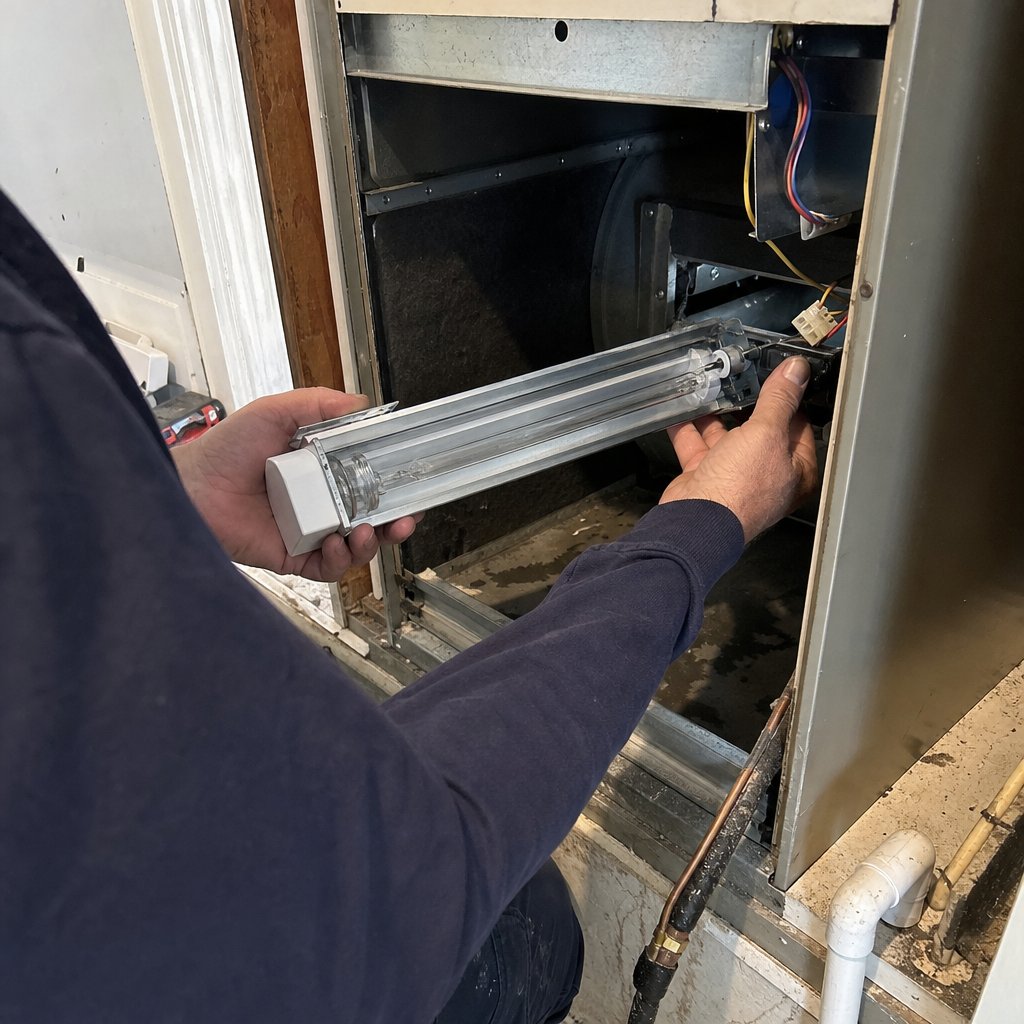
For Great Kills homes with a history of flood contamination, UV-C germicidal lights installed at the air handler provide continuous suppression of mold and bacterial regrowth. We don’t pitch these as magic bullets — they’re maintenance tools, not remediation substitutes. But in coastal humidity that regularly hits 75%+, the extra kill layer matters.
UV installation runs $385–$650 depending on system size and whether we’re retrofitting an older unit or integrating with newer Honeywell or Aprilaire controls. We size the lamp intensity to your actual CFM, not guess based on square footage.
What happens when you call
- 1
A real person answersNo phone trees — you reach a local pro.
- 2
You get an upfront price rangeHonest numbers before anyone is dispatched.
- 3
A background-checked tech heads outLicensed & insured, dispatched right away.
- 4
You approve before work beginsNothing starts until you say go.
Trusted Brands We Service in Great Kills
We run contractor-grade equipment most residential crews never carry: Rotobrush mechanical cleaning systems, Nikro HEPA-filtered negative air machines, and Abatement Technologies containment gear. For sanitizing applications, we specify Guardsman antimicrobial products rated for post-flood environments. We also service and integrate Honeywell, Aprilaire, and Guardsman air quality systems already installed in Great Kills homes — no need to call a second contractor if your existing purifier needs filter replacement or UV lamp service alongside duct treatment. Parts for these brands are stocked locally, so turnaround on combined cleaning and equipment service is typically single-visit.
Common Air Quality & Sanitizing Problems We See in Great Kills Homes
- Tide-line contamination in below-slab ducts. Technicians working the blocks near Great Kills Harbor regularly find duct interiors with a tide-line of dried sediment and rust staining at a consistent height — a visible ghost mark of Sandy’s flood level that tells you immediately the system was submerged and likely never properly remediated. Standard cleaning brushes right past it.
- Accelerated corrosion from salt-laden coastal air. Positioned directly on the Raritan Bay shoreline, Great Kills experiences persistently elevated coastal humidity and salt-laden air that corrodes sheet-metal duct joints and flanges faster than in inland Staten Island neighborhoods, promoting rust-scale buildup inside supply lines and accelerating seal failures that pull unconditioned humid air into the duct system.
- Hidden mold in crawl-space trunk lines. The 1950s–1970s housing stock dominates here — ranch homes, cape cods, split-levels — many with original ductwork routed through crawl spaces or below-slab chases that were directly in Sandy’s flood path. These low-profile configurations are difficult to inspect and dry thoroughly, making them prime sites for hidden mold growth that reinfects the entire system after surface treatment.
- Legacy hydrocarbon and sewage residues overlooked by generalist cleaners. Using standard cleaning methods on flood-contaminated ducts misses persistent hydrocarbon and sewage residues that require specialized bacteria sanitizing. We’ve opened systems that “were cleaned after Sandy” and still found active bacterial colonies and heating oil film inside the trunk line.
Pricing for Air Quality & Sanitizing in Great Kills, NY
| Service | Typical Range in Great Kills |
|---|---|
| Mold Treatment (residential) | $350 – $650 |
| Bacteria Sanitizing | $275 – $525 |
| Odor Removal Protocol | $225 – $475 |
| UV Light Installation | $385 – $650 |
| Air Purifier Install (Honeywell/Aprilaire/Guardsman) | $450 – $875 |
| Allergen Reduction Package | $295 – $550 |
What moves you within these ranges? Linear footage of ductwork, accessibility (crawl spaces and below-slab chases take longer), severity of contamination, and whether we’re treating a standard suburban ranch or a larger multi-zone system in a rebuilt or elevated home. Homes that went through NYC’s Build It Back program sometimes have modified duct routing that we need to map before quoting — we’re happy to do that mapping at no charge during our free estimate visit. We don’t quote over the phone for Great Kills properties with known flood history; the variability is too high, and you’d rather we looked first. Call (833) 754-6107 to schedule — estimates are free, and Richard Anderson handles the inspection personally.
We Also Serve Cities Near Great Kills
Our service radius covers the full south shore of Staten Island, including Eltingville, Midland Beach, New Dorp, and New Dorp Beach. Each of these neighborhoods shares Great Kills’s coastal exposure and Sandy flood history to varying degrees, though Great Kills’s harbor proximity and specific surge dynamics created contamination patterns we don’t see identically elsewhere. If you’re unsure whether your property falls in our coverage area, call and we’ll confirm — we’re not going to send you to a dispatcher in another state.
Serving Great Kills, NY — Our Local Coverage Area
We’re based in the Great Kills area and know this community well. Use the map below to see our service coverage — if you’re nearby, we can almost certainly help.
FAQs — Air Quality & Sanitizing in Great Kills
Look for a horizontal tide-line of rust staining and dried sediment inside your floor vents or basement trunk lines, typically at a consistent height across multiple registers — that’s visual confirmation of submersion. You may also notice persistent musty or petroleum-like odors that return within weeks of standard cleaning, or accelerated corrosion on metal vent covers compared to inland Staten Island homes. Richard Anderson can verify contamination during a free inspection using a borescope camera; call (833) 754-6107 to schedule.
No — mechanical brushing and vacuuming won’t break down bacterial biofilms or dissolve hydrocarbon deposits bonded to metal duct surfaces. Those residues require EPA-registered antimicrobial agents with proper dwell times and, in some cases, oxidation-based neutralizers specifically formulated for sewage-contaminated environments. If your home took floodwater, insist on bacteria sanitizing as a separate protocol, not an add-on spray at the end of a standard cleaning. We can assess whether your system needs this level of treatment during our free estimate — call (833) 754-6107.
The cleaning you received may have addressed surface debris without eliminating mold colonies inside insulation liners, corrosion pockets, or below-slab chases where brushes don’t reach. Musty odor that persists or returns quickly usually indicates active microbial growth on a reservoir that wasn’t fully treated — common in Great Kills homes where crawl-space ducts weren’t opened and dried before rebuild completion. Our odor removal protocol includes source identification and reservoir elimination, not masking agents. Call (833) 754-6107 for an inspection that finds the actual problem.
A tide-line is a visible horizontal mark of dried sediment, rust scaling, and sometimes biofilm residue at the maximum height floodwater reached inside your ductwork — in Great Kills, we commonly see these at consistent elevations across multiple homes in the same surge zone. It matters because it’s definitive evidence your system was submerged, and because the contamination above and below that line differs: below, you often get saturated insulation and sediment deposition; above, you get splash-zone corrosion and aerosolized bacterial settlement. Any technician who sees a tide-line and doesn’t adjust the treatment protocol is missing the core problem. Richard Anderson flags these immediately during inspection.
Yes, as a maintenance layer after proper remediation — not as a substitute for it. UV-C lamps at the air handler suppress mold and bacterial regrowth on the coil and in the immediate plenum, which matters in Great Kills’s humid coastal climate where recontamination risk runs higher than inland. But UV won’t kill existing colonies inside downstream ductwork or remove sediment reservoirs. We recommend UV installation only after full mold treatment and bacteria sanitizing are complete, and we size the system to your actual airflow. For pricing on integrated UV and sanitizing packages in Great Kills, call (833) 754-6107.
Written by Richard Anderson, Owner & Lead Technician at Landmark Air Duct Cleaning Service New York, serving Great Kills and the south shore of Staten Island since 2004.